They are a series of water-soluble, monofunctional, polyalkoxylated polyglycols. All these products have excellent thermal and chemical stability, low toxicity, low pour point, act as good lubricants, have high viscosity and excellent active surface..
These properties give them a number of applications, especially as components in antifoam and demulsifying formulations..
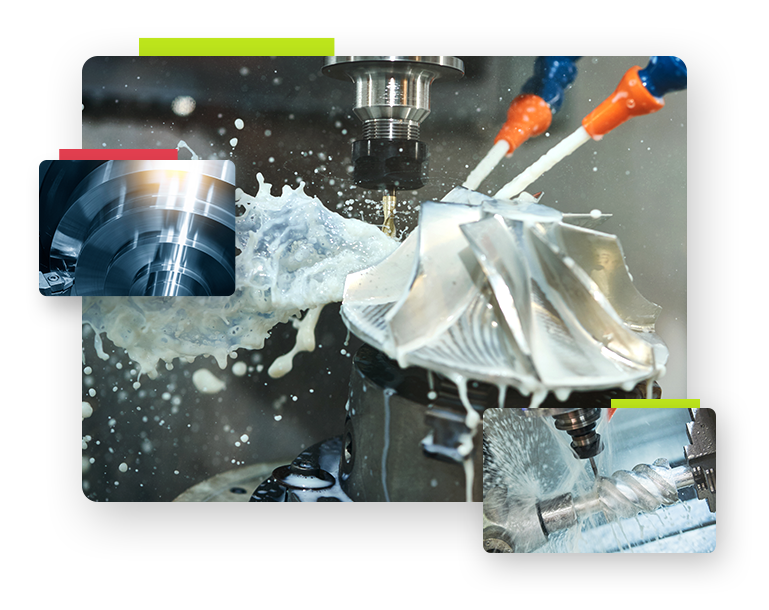
The most frequent applications are as brake fluid, cutting fluids, rubber lubricants, fiber lubricants, textile applications, release agents for hot and cold applications, food processes.
- Polyalkylene glycol viscosity 8.3 cts 40°C
- Polyalkylene glycol viscosity 19 cts 40°C
- Polyalkylene glycol viscosity 33 cts 40°C
- Polyalkylene glycol viscosity 53 cts 40°C
- Polyalkylene glycol viscosity 81 cts 40°C
- Polyalkylene glycol viscosity 130 cts 40°C
- Polyalkylene glycol viscosity 440 cts 40°C
- Polyalkylene glycol viscosity 700 cts 40°C
- Polyalkylene glycol viscosity 1,020 cts 40°C
- Polyalkylene glycol viscosity 68 cts 40°C
- Polyalkylene glycol viscosity 150 cts 40°C
- Polyalkylene glycol viscosity 220 cts 40°C
- Polyalkylene glycol viscosity 320 cts 40°C
- Polyalkylene glycol viscosity 460 cts 40°C
- Polyalkylene glycol viscosity 1,050 cts 40°C
- Polyalkylene glycol viscosity 60 cts 40°C
- Polyalkylene glycol viscosity 290 cts 40°C
- Polyalkylene glycol viscosity 1,800 cts 40°C
- Polyalkylene glycol viscosity 11 cts 40°C
- Polyalkylene glycol viscosity 28 cts 40°C
- Polyalkylene glycol viscosity 34 cts 40°C
- Polyalkylene glycol viscosity 61 cts 40°C
- Polyalkylene glycol viscosity 80 cts 40°C
- Polyalkylene glycol viscosity 100 cts 40°C
- Polyalkylene glycol viscosity 120 cts 40°C
- Polyalkylene glycol viscosity 230 cts 40°C
- Polyalkylene glycol viscosity 370 cts 40°C
- Polyalkylene glycol viscosity 17,000 cts 40°C
- Polyalkylene glycol viscosity 2,410 cts 40°C
- Polyalkylene glycol viscosity 1,140 cts 40°C
- Polyalkylene glycol viscosity 2,600 cts 40°C
- Polyalkylene glycol viscosity 1,700 cts 40°C
- Polyalkylene glycol viscosity 8,800 cts 40°C
- Polyalkylene glycol viscosity 22,000 cts 40°C
- Polyalkylene glycol viscosity 4,000 cts 40°C
- Polyalkylene glycol viscosity 220 cts 40°C
- Polyalkylene glycol viscosity 320 cts 40°C
- Polyalkylene glycol viscosity 460 cts 40°C
- Polyalkylene glycol viscosity 1050 cts 40°C
- Polyalkylene glycol viscosity 20 cts 40°C
- Polyalkylene glycol viscosity 50 cts 40°C
- Polyalkylene glycol viscosity 78 cts 40°C
- Polyalkylene glycol viscosity 100 cts 40°C
- Polyalkylene glycol viscosity 140 cts 40°C
- Polyalkylene glycol viscosity 425 cts 40°C
- Polyalkylene glycol viscosity 32 cts 40°C
- Polyalkylene glycol viscosity 57 cts 40°C
- Polyalkylene glycol viscosity 72 cts 40°C
- Polyalkylene glycol viscosity 143 cts 40°C
- Polyalkylene glycol viscosity 220 cts 40°C
- Polyalkylene glycol viscosity 350 cts 40°C
- Polyalkylene glycol viscosity 440 cts 40°C
- Polyalkylene glycol viscosity 690 cts 40°C
Performance enhancers:
- Polyalkylene glycol viscosity 123 cts 40°C
- Polyalkylene glycol viscosity 146cts 40°C
- Polyalkylene glycol viscosity 164 cts 40°C
- Polyalkylene glycol viscosity 171 cts 40°C
- Polyalkylene glycol viscosity 186 cts 40°C
- Polyalkylene glycol viscosity 196 cts 40°C
- Polyalkylene glycol viscosity 163cts 40°C
- Polyalkylene glycol viscosity 177 cts 40°C
- Polyalkylene glycol viscosity 196 cts 40°C
Induction Hardening Fluids:
- Polyalkylene glycol viscosity 475-604 cts 40°C
- Polyalkylene glycol viscosity 242-297cts 40°C
- Polyalkylene glycol viscosity 583-712 cts 40°C
- Polyalkylene glycol viscosity 216-270 cts 40°C
- Polyalkylene glycol viscosity 2375-2900 cts 40°C
- Polyalkylene glycol viscosity1110-1370 cts 40°C
- Polyalkylene glycol viscosity 2700 cts 40°C
- Polyalkylene glycol viscosity 1060-1300 cts 40°C
- Polyalkylene glycol viscosity 513-626 cts 40°C
- Polyalkylene glycol viscosity 240-296 cts 40°C
- Polyalkylene glycol viscosity 229-280 cts 40°C
- Polyalkylene glycol viscosity 582-740cts 40°C
- Polyalkylene glycol viscosity 240-290 cts 40°C
- Polyalkylene glycol viscosity230-450 cts 40°C
- Polyalkylene glycol viscosity650-790 cts 40°C
- Polyalkylene glycol viscosity410-500 cts 40°C
Emulsifiers for Lubricants:
- Ethoxylated Secondary Alcohol 3 moles
- Ethoxylated Secondary Alcohol 8 moles
- Ethoxylated Secondary Alcohol 9 moles
- Ethoxylated Secondary Alcohol 11 moles
- Octylphenol ethoxylate 1.5 moles
- Octylphenol ethoxylate 3 moles
- Octylphenol ethoxylate 4.5 moles
- Octylphenol ethoxylate 7.5 moles
- Octylphenol ethoxylate 9.5 moles
thickener
- Polyalkylene glycol viscosity 280-320 ssu 38°C (aqueous solution)


 Agro
Agro Automotive
 Construction
 Electroplating
 Food
Food Home Clean
 Industrial Cleaning
 Master batch and Rubber
 Metalworking
 Oil & Gas
 Personal Care
 Pharma
 Polymerization Application: Adhesives And Paints
 Textile
 Water Treatment